UMW Theatre in London
I was so incredibly blessed to travel to London this Summer with UMW Theatre. While in the West End I saw some of the greatest shows I have ever experienced in my life. I grew up outside of the DC area, so my family has seen some local and DC theatre. I feel blessed that I have seen theatre here in my local area, but it does not even compare to the art that we saw on the West End. It was beyond belief.
The acting filled up my heart and made me so excited to work on this project and understand Margot more fully. Seeing such gorgeous acting encouraged me to better my acting process and do my very best to improve myself and my practice. I want to strive to be a better person and actor each day. I think that is the only way to create profound and meaningful art.
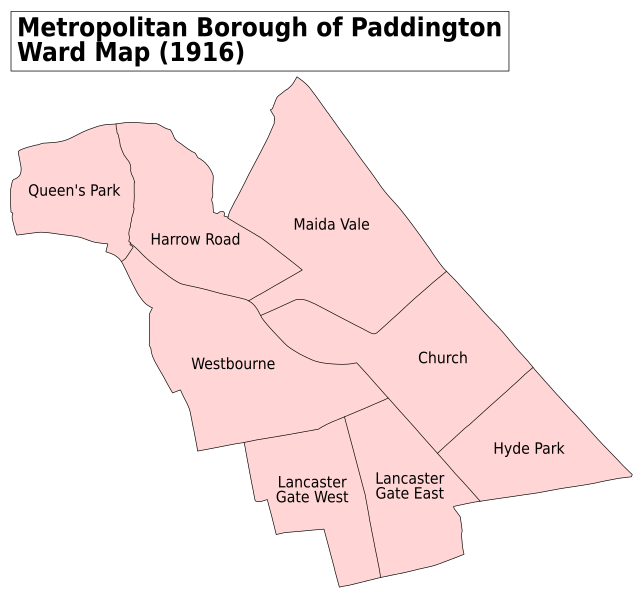
Maida Vale
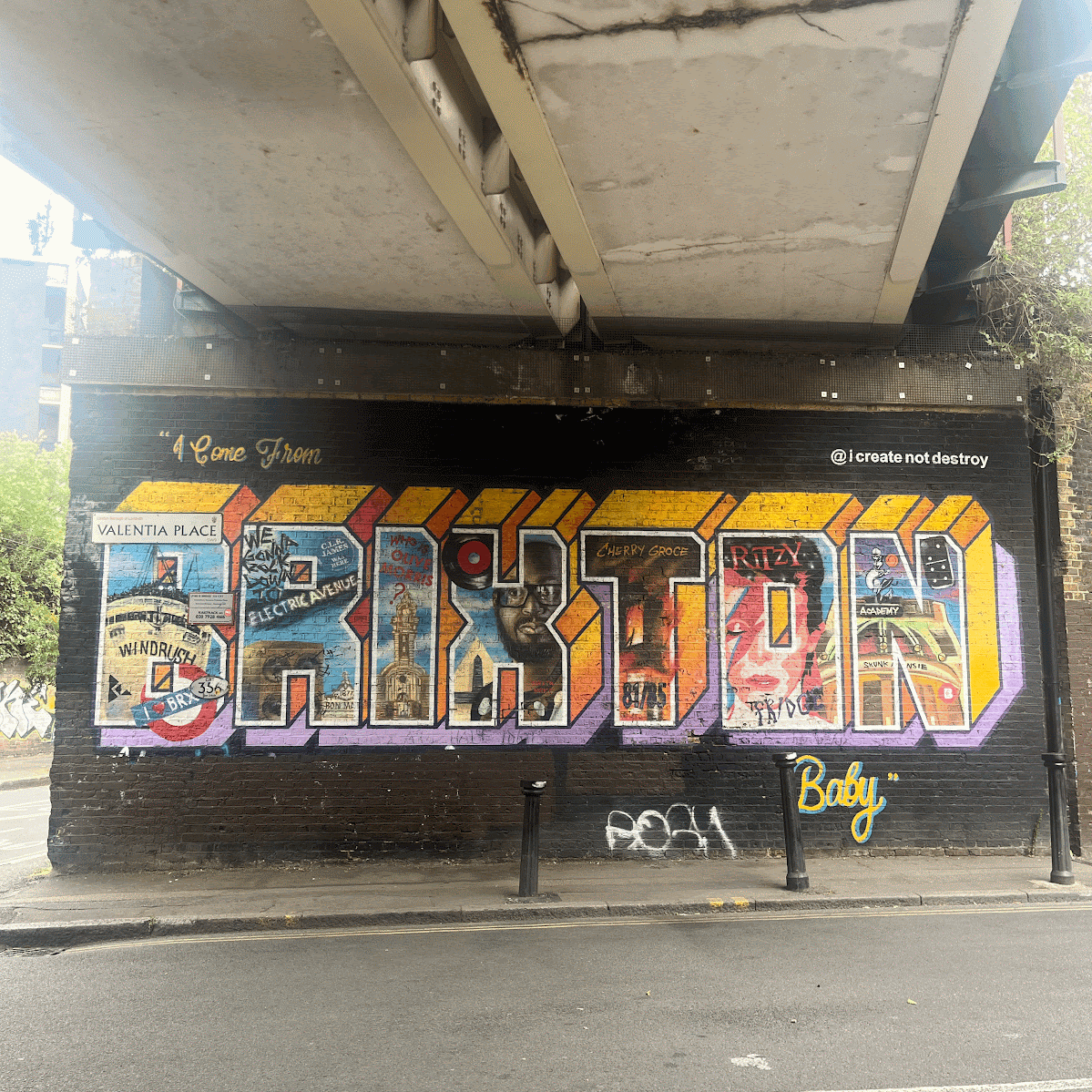
While we were in London, we had a few semi-free days where we got to go on our own adventures! I had a goal in mind to visit Maida Vale! On the morning of June 3rd we had a guided tour of Brixton! I was inspired by this community that was full of resilience and art. The murals there were absolutely breathtaking! Following our tour, I decided that visiting Margot’s home, Maida Vale, would be a beautiful opportunity for me to conduct some hands-on, in-person research. It was magical to explore the streets that she actually would have walked. The community is high class and definitely different from anywhere that I have ever lived. I took the tube there, stopped into a cafe, people watched, took a lime bike around town, and explored a local park! It was a perfect, rainy, British day. I felt connected to Margot for the first time while I was there which is always such a freeing experience as an actor!
I also was incredibly interested in the comparison of Brixton and Maida Vale. Maida Vale is a place of such heavy privilege in comparison to Brixton, which is a place that has been through so much pain! I wanted to use this imagery that I saw in person in my senior project.
Margot is blissfully unaware of so much that is happening around her. It was important to me that I understood her personal history and how it compared to the facts of the time. For example, it was important to me that I understood the queer, British history of the 1950s. However, I also wanted to deeply recognize how separate from that side of history she would have been. She would not have sought out information as Maxine would have. All of her insight into that world comes directly from her lover. I think that is a very interesting concept to consider in this play!
Modern queerness has so much to do with community and pride. So much diligent and beautiful work has been done in the time since 1952, both in London and around the world. However, I think it is crucial to tell a story of queerness that is not prideful but is simply existing, as that was the reality for the majority of LGBT people at this time. There were queer women that existed in these spaces whether the “proof” exists of it or not. In this place of prominent wealth and high status I think it is crucial that queer stories exist, because they exist in every space!
I feel really blessed that I was able to see Maida Vale while I was in London. It really filled my heart up with a want to tell Margot’s story with respect and care! It was a once in a lifetime opportunity to connect to a character in such a unique way! I loved reading about the history of this area and it was so amazing to see it in person! I also love this video about 1950’s England for a more general and aesthetic overview of more than just Maida Vale.
Queer Rights & Life in 1950’s London
This YouTube video, “Some Men in London: Queer Life 1945 – 1967” features a few excerpts from the book of the same title by British author, Peter Parker. The book, and subsequent interview-style video feature a few short excerpts from everyday life in London from the 1950s through the 1970s. This interview was conducted through the British Library! I love finding resources like this that feature first hand texts and not just figurative examples. However, most of the information present in this video focuses on men in the LGBT+ community during this time.
I’ve found that this rings true for most of my research in the area of queer history. Whilst homosexual activity was legally criminalised for men during the time of the play, this was not the case for women. A lot of this has to do with how queer women are perceived differently, overtly sexualised, and mistreated in different ways than men are. However, in this video from the British Library, a few pretty kick ass, queer, 1950s women are mentioned and discussed. Their inclusion in this retelling brought me a lot of joy while watching!
This link from the UK Parliament goes over some of the specific rights and laws that were present during and surrounding this time period. Laws are also the basis of culture. If something is criminalized it becomes dirty, unworthy, degenerate. Our laws shape how we view each other and ourselves. Homosexualtiy was not legally criminalised for women, however the cultural effects take precedence in the story of Dial M For Murder. Margot is a woman of high standing, socially and economically. She has a need to hold onto that sense of power and standing. It is her only sense of safety and stability in this life. Safety is one of the most crucial aspects of this show! Survival and self preservation are always at the forefront of Margot’s thinking.
In almost every bit of queer history that I read over the Summer, lesbianism was always mentioned, but always as an afterthought at the end of the text, the final chapter, or the footnote. This idea is very common throughout queer history research. In general, it is harder to find information on female or alternatively gendered queer history. This has many causes, as I discussed earlier.
This article has a section that focuses on lesbian women and letter burning, (under the tab titled “Protection of Privacy”). I found this to be incredibly helpful in shaping some of Margot’s reasonings and thought processes surrounding the letters! Prominent examples that are included are George Elliot/Marian Evans, Mary Wollstonecraft, and Lorena Hickok. This article also goes into queer research and underlines why the research material available is limited and the factors that shape that reality. I think it’s so important to recognize that lesbian history is pushed to the back of the book, even in openly queer literature and research.
I think it’s so important for me as the actress to understand this history, but in my mind, Margot knows nothing about what’s going on in the queer spaces of London or Greenwich Village. Everything she knows about “queerness” is from the lens of her lover, which is dangerous and upsetting in and of itself. When one’s only access to what I would consider as self defining information, is solely coming from word of mouth, it is often strewed or misconveyed. I think it is important to remember during this play that Maxine lives in this queer “utopia” of sorts in Greenwich Village. Maxine carries that in the door with her. It upsets Margot, scares her, confuses her, and mainly, it makes her angry. Margot will never have that type of freedom and Maxine doesn’t understand her reality. Maxine lives in a world that is unobtainable to Margot.
In relation to the letters Maxine writes, something that I looked a bit into was lesbian writing and poetry of this era and the ones surrounding it. One article that focused on poetry that really stood out to me was a piece from Simpson library. It’s from a bit later on the timeline. But I feel as if Maxine could have inspired some of this great work from artist and activist, Cheryl Clarke. This piece is a review and interpretation of her works. I think it speaks really heavily to the importance of lesbian writing and how it has been carried throughout time. Some of Clarke’s work reminds me greatly of what I think some of “the letters” would have sounded like! Reading Clarke’s poems really helped me to visualize some ideas about Max and make them more concrete!
Smoking, Drinking, and Alcoholism in the Female Body
Margot’s relationship to substances was really important to me in understanding this play! She is a woman of such high socioeconomic standing, so how she is perceived is crucial to her character! I wanted the story of her relationship to both alcohol and smoking to be believable and true to life. A lot of my research focused on the effects that alcohol has on the female body and how alcohol impacts the female body differently. I think that is important research that is still semi-lacking! It was interesting to me to read up on the effects and understand them from a more detailed lens.
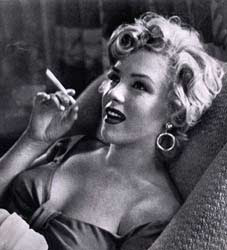
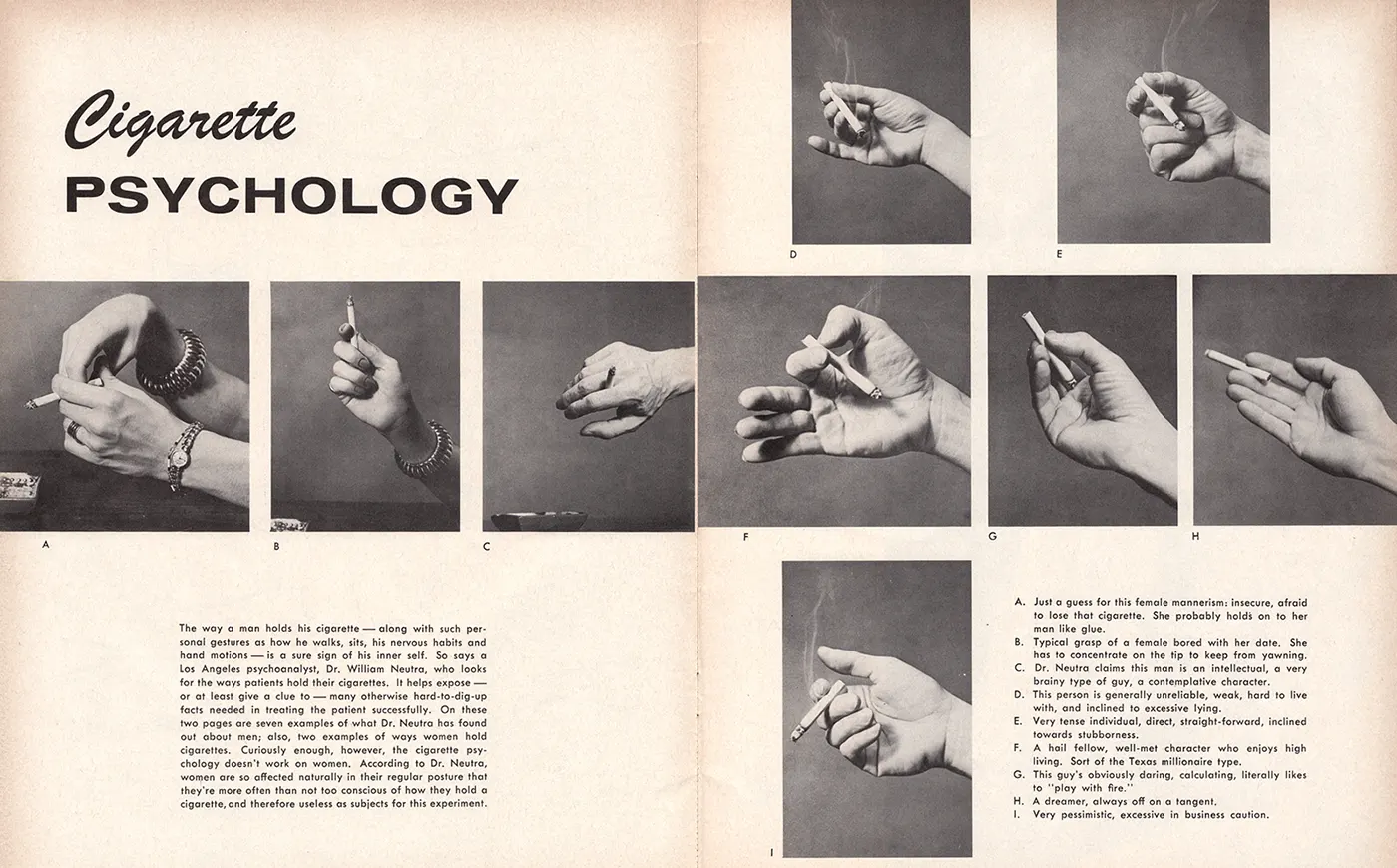
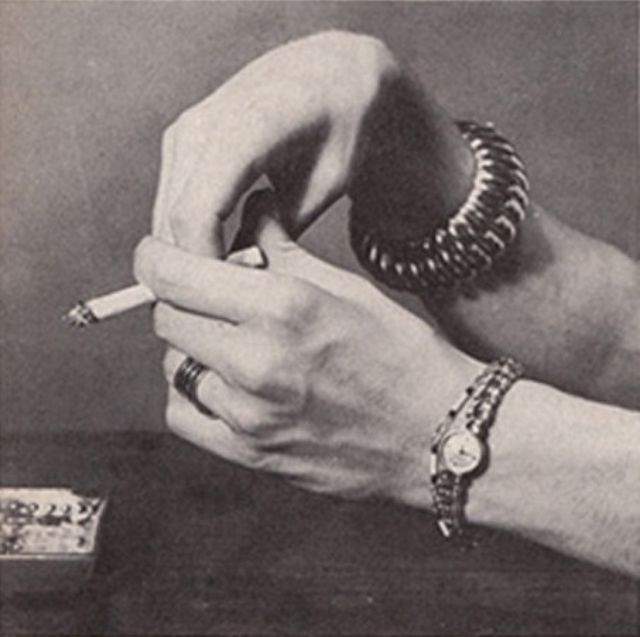
I also wanted to make sure I was holding both the glasses and cigarettes correctly. I encountered a bit of a challenge with how heavy the cigarettes were during the rehearsal process. I had to endow our e-cigarettes with properties of lightness and paper texture.
In learning to smoke, I found myself being a bit strange in my people watching. I sat outside a lot this summer and talked to my step dad while he smoked so that he wouldn’t think I was watching him and act any different. It was really interesting watching him. I had never really examined how he holds his cigarettes before. My challenge was to find a way that was the feminine and classy way of doing what he was doing. How would he do this if he was a high class, rich, British woman who lived in 1950s Maida Vale? I found myself watching strangers in the parks of London while they smoked. The social aspect of it interested me as the drinking and smoking in this show is so often a community activity. I do not drink or smoke and this challenge was something that I looked forward to. I wanted to see how accurate I could make these moments.
I also wanted to make Margot’s alcoholism detailed. This is something that scared me. I didn’t want this aspect of the play to be unimportant or perceived as silly! She is going through so much and has been for the entirety of the last year of her life. Each moment is important and succinct!
Accent and Dialect Work – Received Pronunciation
Learning an RP accent is something that I have never done before, but for every show that I have done here at UMW, I have been in accent! Which I think is something to be proud of! It is always a challenge that I greatly enjoy. It makes me feel connected to the character in such a unique way that is separate from myself. Here at UMW, I did an accent based between New York and New Jersey for Nunsense and I also did an Estuary accent for Matilda. I was worried with this project that I would end up in a more Estuary style of voice as opposed to Received Pronunciation. I wanted to make it incredibly clear that Margot was of a high class status, both monetarily and culturally. I didn’t want to slide into an old habit just because it is something that I already knew prior to beginning our rehearsal process.
I was very interested in the history of RP. Language has always been something that interests me. In my Freshman seminar, I researched the Irish Ordnance Survey and wrote a few presentations and essays about the importance of language and how control over language impacts the human condition. I highly recommend the play, Translations, by Brian Friel. It is a play about the English language and how control is a large part of its history! It dives into colonialism from the viewpoint of language and unpacks how communication was weaponized by Great Britain. The RP accent is very seriously rooted in classism. I wanted Margot to fit into this idea of being “high class” and “intelligent” simply because of the way that she spoke, even though that idea is terrible!
In learning this accent, I practiced mainly with the lexical sets that Marc gave to us. My family grew tired of me going through them every day this summer after I brushed my teeth in the morning. I think my mom and brother have all the example sentences memorized!
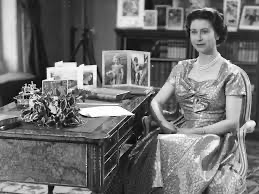
For first hand accounts of this accent, I really enjoyed listening to and watching Queen Elizabeth’s Christmas Speeches. The one from 1952 was the one I used most prominently, I started with mimicking the shapes of her mouth silently, then with miscellaneous noise, and then I moved on to following the patterns of her speech! It’s so interesting to hear something from the same exact year we are aiming for. Obviously Margot isn’t quite as posh as the queen but I think it is a good spot to aim for!
In 1957, the first Christmas broadcast occurred, meaning that I, sixty eight years later, could study the vocal posture of the Queen of England to prepare for an acting project!
Hearing her voice change over time, with each year’s broadcast, was interesting. It gave me ideas for the porosity and tonality of Margot’s voice. It also encouraged me to invest time into my own clarity of speech! The queen is succinct in her language. She is very poised, elegant, and precise in what she says. However, her vocals are often hard for me to understand. I think some of this has to do with the accent being foreign to me and also some of it has to do with the recording techniques of the time period. However, listening to videos of the queen inspired me to be intentional about being understood by our audiences! I spent a lot of time this summer going over some warm ups and sets that Marc gave me, trying to improve my vocal tonality! I actually pushed myself a little too far and got some really bad tonsil stones towards the end of the summer. My throat was raw. My body and voice got super out of order. It was kind of scary for me, because I’ve never experienced that before! Nevertheless I did as much work as I could to improve my tone and also did everything in my power to heal my voice and body before we arrived back at UMW!
I also found videos of Julie Andrews to be very helpful in learning the mouth shapes and dialect patterns of the RP accent. I’ve linked a compilation of videos of her speaking, mainly in interview format! Her voice is very similar to mine in pitch and range, but her tonality is truly spectacular. Mirroring some of my speech after her could be very helpful as we begin our work in Wonderbread and Klein!